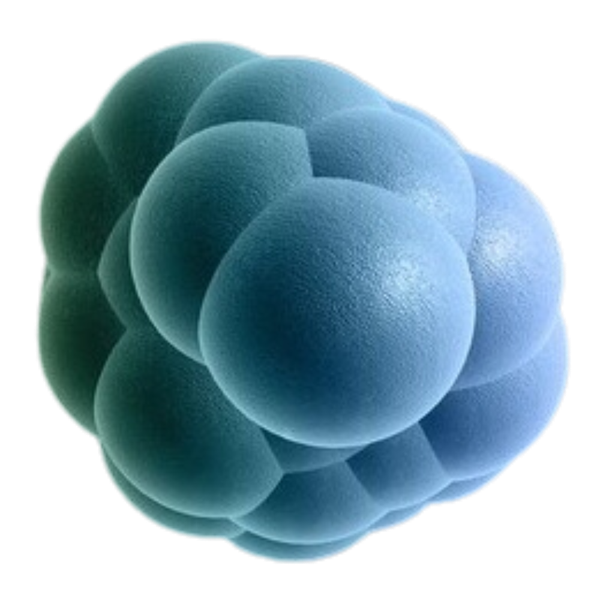
Regenerative Medicine is in its infancy compared to the time-honored traditions of Western and Eastern medicine. Yet, despite its early stages, its potential is nothing short of revolutionary, poised to transform the very foundations of healthcare. Scientists are just now scratching the surface of an
understanding of the potential of stem cell therapy, unlocking secrets that could redefine what’s possible in the application of regenerative medicine. As regulatory agencies catch up with stem cell research and development, large-scale clinical trials will validate many medical protocols. With evolving technologies enabling the mass production of stem cells, the sky’s the limit for what regenerative medicine can achieve. There’s no question that regenerative medicine is driving a global
paradigm shift, impacting medical practitioners, scientific researchers, and even private sector businesses.
Government agencies such as the FDA have claimed jurisdiction over regenerative medicine, but because stem cells are live organisms that can be grown and manipulated and altered, the FDA has claimed these to be a ‘drug’ while having no previous experience with these,
and this has been a constant source of controversy, not to mention the revolving door of big Pharma with the FDA and the dangers posed to big Pharma by regenerative medicine.